





Johnson Law Group
  • Home
  • About Us
    • Work with us
    • Our People
  • Expertise
    • Mis-sold Car Finance Claims
    • Data Breach Claims
      • EasyJet Data Breach
      • MOVEIT/Zellis Data Breach
    • Energy Broker Commission Claims
    • Diesel Particulate Filter Claims
    • Vehicle Emissions Claims
      • Mercedes Vehicle Emissions Claims
      • Vauxhall Vehicle Emissions Claims
      • Renault Vehicle Emissions Claims
      • Peugeot Vehicle Emissions Claims
      • Nissan Vehicle Emissions Claims
      • Jaguar Vehicle Emissions Claims
      • Ford Vehicle Emissions Claims
      • Citroën Vehicle Emissions Claims
      • BMW Vehicle Emissions Claims
      • Hyundai & Kia Vehicle Emissions Claims
      • Volvo Vehicle Emissions Claims
    • Mis-Sold Retirement Investment
  • News
  • For New Clients
  • Contact
Notification Show More
Latest News
Lloyds Bank Allocates £450m for Compensation in Car Finance Mis-Selling
News
Talk to the team: Introducing Anastasis Michailas
News
Roku the latest company to suffer data breach
News
FCA Investigates Equity Release Scheme Due To Mis-Selling Worries
News
Uber Is Fined €10m for Privacy Violations
News
Aa
Johnson Law Group
Aa
  • Home
  • About Us
  • Expertise
  • News
  • For New Clients
  • Contact
Search
  • Home
  • About Us
    • Work with us
    • Our People
  • Expertise
    • Mis-sold Car Finance Claims
    • Data Breach Claims
    • Energy Broker Commission Claims
    • Diesel Particulate Filter Claims
    • Vehicle Emissions Claims
    • Mis-Sold Retirement Investment
  • News
  • For New Clients
  • Contact
Follow US
SHARE

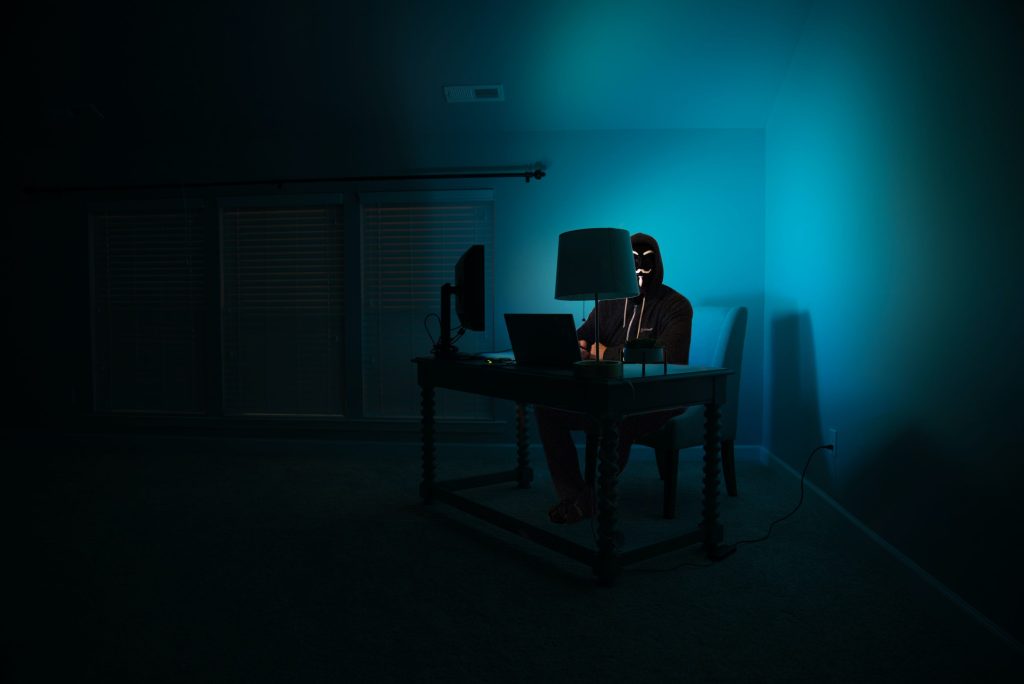
The popular travel platform Booking.com has faced an alarming rise in cyber scams, leaving individuals frustrated and questioning the platform’s security measures. Despite Booking.com being one of the largest websites for holidaymakers globally, cyber-criminals have exploited vulnerabilities, infiltrating the app and orchestrating scams that have resulted in financial losses for unsuspecting users.


This cyber fraud involves criminals manipulating the administration portals of individual hotels connected to Booking.com, enabling them to send deceptive messages through the official app. These messages, appearing legitimate, trick customers into making payments directly to the scammers instead of the hotel they want to book. The scam has been evolving for over a year now, as hackers actively seek more victims through dark web forums.


Booking.com says that it is actively implementing new safety features to combat these cyber-fraud tactics, but there is no “silver bullet” to eradicate all online fraud. Security measures include locking or blocking inactive partner admin accounts, a common entry point for scammers. The company is also monitoring its app for suspicious activity, disabling links in chats that appear illegitimate.


Experts in cyber-security, such as those at Secureworks, reveal how hackers operate. They explain a technique where hotel employees are deceived into downloading harmful software through fake emails. Once access is gained, the scammers log into the Booking.com portal, using the app to contact customers and trick them into making payments. The success of these scams is due to convincing emails that seem legitimate and take advantage of users’ trust.


Protecting Against Booking.com Scams

Users are urged to remain vigilant and take proactive steps to protect themselves.


  • Be cautious of payment requests within the app and verify through alternative means.
  • Implement multi-factor authentication where available for added account security.
  • Report any suspicious activity promptly to Booking.com and relevant authorities.
  • Stay informed about the evolving nature of cyber scams and adopt safe online practices.


The Booking.com scam serves as a stark reminder of the persistent threats in the online landscape. Users must remain vigilant, and companies, including Booking.com, need to continually enhance their security measures to thwart evolving cyber threats. A collective commitment to cyber safety, users and platforms can work together to create a more secure digital travel experience.

Johnson Law Group January 17, 2024
Share this Article
Facebook Twitter Email Copy Link Print
Leave a comment Leave a comment

Leave a Reply Cancel reply

Your email address will not be published. Required fields are marked *

If you or your loved one has a possible claim, we’re here to assist.


Submit the contact form or ring us directly, and we’ll provide a no-obligation consultation.

Contact Us


Recent News

Latest News

Secret Energy Broker Commissions

Johnson Law Group


4th Floor, Chancery Place
Manchester, England, M2 2JT

Tel: 0161 5132305

info@johnsonlawgroup.co.uk

Our Team

 
About Us
Nick Johnson
Jamie Patton

Case Types

 
Data Breach Claims
Emissions Claims
Pension Claims
PCP Vehicle Finance
Business Energy Claims

Most Viewed Posts

Most Viewed Posts

  • Vehicle Emissions Claims (53,483)
  • BMW Vehicle Emissions Claims (8,982)
  • What Happens if You Lose at a Small Claims Court? (8,285)

Privacy Policy
Complaints Policy
Our Terms of Business
Renew or change your cookie consent

Legal & Regulatory Info
Authorised and regulated by the Solicitors Regulation Authority
Firm Number 664813

Johnson Law GroupJohnson Law Group
Follow US

Removed from reading list

Undo
Welcome Back!

Sign in to your account

Lost your password?